As vaping continues to grow in popularity, ensuring your device's safety is crucial. One area that often raises concerns is battery authenticity. Many users wonder how to tell if a vape battery is fake or authentic. Knowing the difference can protect you from safety hazards and subpar performance.
The market is flooded with counterfeit products, making it tough for consumers to distinguish real from fake. These fake batteries may look similar, but they pose significant risks. Authentic batteries are designed to meet safety standards and provide reliable power. In contrast, imitation ones can fail unexpectedly or even lead to dangerous situations.
Recognizing the signs of a legitimate vape battery requires knowledge and careful observation. You might have to scrutinize the packaging, check for certifications, or evaluate the battery's weight and design. Each detail can offer clues about its authenticity. Being informed can help you make smarter choices and enjoy a safer vaping experience.
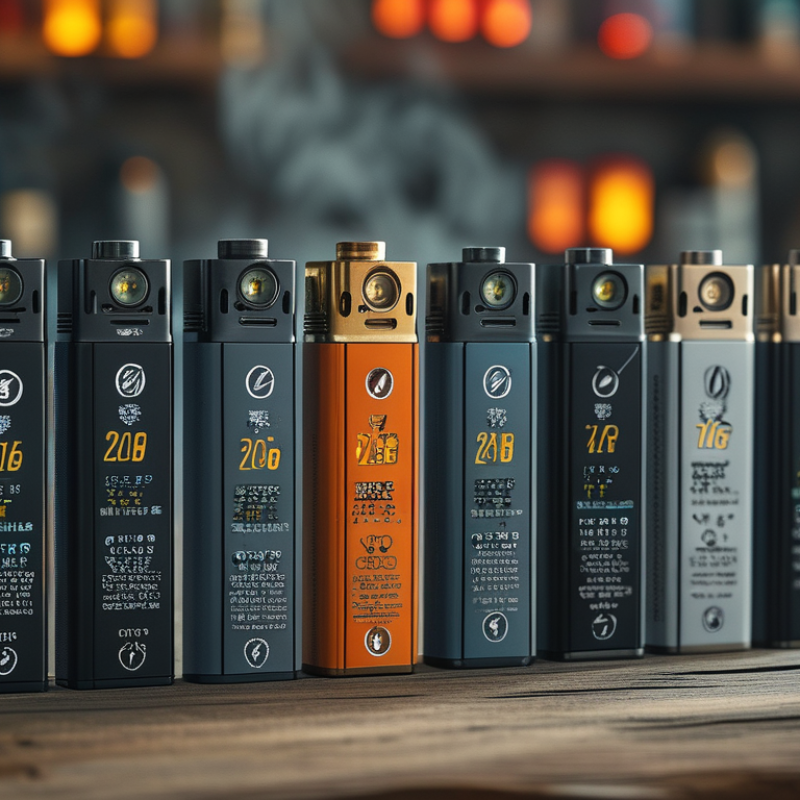
Spotting authentic vape battery labels and logos is crucial for safety and performance. Many reports indicate that counterfeit batteries pose significant risks. For example, a report from the Consumer Product Safety Commission states that nearly 40% of vape battery failures are linked to fake products. Recognizing genuine labels helps consumers avoid these dangers.
When examining a vape battery, check for clear and precise labels. Authentic products usually have well-defined logos and consistent fonts. A low-quality logo might indicate a counterfeit item. Furthermore, verify the serial number or QR code that accompanies the battery. Many legitimate manufacturers use these features to enhance traceability and security.
In some cases, the packaging of genuine vape batteries includes safety certifications. Look for seals from recognized safety organizations. However, some counterfeit products are improving their packaging. Therefore, continuous vigilance is necessary. Relying solely on aesthetics can be misleading. Always cross-reference with official manufacturer information. This multifaceted approach enhances your chances of identifying real vape batteries accurately.
When evaluating the authenticity of a vape battery, careful examination of its specifications is crucial. Start by checking the voltage rating. Genuine batteries often have a consistent voltage output, typically between 3.2V and 4.2V. If the voltage seems unusually high or low, it may raise red flags. An authentic battery should also provide a reliable mAh (milliamp-hour) rating, indicating its capacity. A real battery delivers consistent performance over time, ensuring a satisfying experience for users.
Furthermore, look for certifications or safety marks on the packaging and the battery itself. These indicators suggest that the product adheres to industry standards. A higher quality battery will feature protective mechanisms, such as overcharge and short-circuit protection. Examine the build quality; a genuine product often uses durable materials. Cheap plastic casings may indicate a counterfeit. Pay attention to the weight as well; genuine batteries tend to feel heavier due to their superior components.
While assessing these factors, be cautious of pricing. If a deal seems too good to be true, it likely is. Counterfeit batteries can pose significant risks, including the potential for explosion. Mistakes happen, and buyers sometimes overlook essential details. Continuous education about vape battery specifications can greatly enhance safety. Checking reviews and seeking expert opinions can further guide your choices. Always remember, diligence is your best tool when ensuring battery authenticity.
When buying a vape battery, beware of counterfeit products. These fakes often showcase subtle design flaws that can help you identify them. For example, examine the logo closely. Authentic batteries have crisp, clear logos, while counterfeit versions often appear smudged or blurry. Pay attention to the color and finish, as genuine batteries will have a consistent and high-quality look.
Another red flag is the weight of the battery. Genuine batteries usually feel heavier due to quality materials. If it feels too light, it might be fake. Additionally, inspect the packaging. Authentic batteries are packaged with care, featuring clean designs and informative labels. Counterfeit packaging may seem cheap and may lack crucial details.
Check for safety features as well. Real batteries have safety indicators and proper venting. If these elements are missing or poorly designed, reconsider your purchase. Many users have unknowingly bought counterfeits due to these overlooked aspects. Being observant can save you from potential hazards. Always prioritize safety and reliability in your vaping experience.
Identifying a real vape battery requires understanding voltage and capacity. Authentic batteries deliver consistent voltage. When a battery shows fluctuating voltage, it may be a counterfeit. A legitimate battery maintains its performance over time, which fosters trust. If the voltage drops quickly during use, consider the battery's authenticity.
Capacity is another key indicator. Real batteries often have higher capacity ratings, measured in milliampere-hours (mAh). Check for discrepancies between advertised and actual capacity. If a battery claims to have a specific mAh but falls short during usage, it likely isn't genuine. Missing or vague labeling can also be a red flag.
Tips for verification:
1. Always purchase from reputable sources. Avoid unknown vendors to minimize risks.
2. Research common specifications for various batteries to set a benchmark.
3. Consider using a multimeter to measure the voltage; it’s easy to do and can be revealing.
Take time to assess your battery. Trust your instincts, especially if something feels off. Remember, a genuine battery enhances your experience. Don't overlook these details. They matter significantly for safety and performance.
| Battery Type | Voltage (V) | Capacity (mAh) | Authenticity Check Method | Typical Usage Indicator |
|---|---|---|---|---|
| 18650 Lithium-ion | 3.7 | 2500 | Visual inspection of markings | High-performance devices |
| 21700 Lithium-ion | 3.6 | 4000 | Check for weight and finish | Long-lasting use |
| LFP Battery (Lithium Iron Phosphate) | 3.2 | 2800 | Voltage drop tests | Stable, safer alternative |
| LiPo Battery (Lithium Polymer) | 3.7 | 5000 | Inspect for puffing or damage | Used in compact devices |
| 18650 Protected | 3.7 | 3000 | Safety circuit inspection | Extra safety features |
When it comes to verifying vape batteries, using trustworthy resources is essential for consumers. Understanding the authenticity of your vape battery can prevent risks associated with counterfeit products. Authentic batteries are more likely to meet safety standards, ensuring a safer vaping experience. Reliable sources, such as consumer reports, provide insights into reputable sellers and potential red flags.
Online forums and reviews can also be valuable. They often highlight shared experiences from other users. While this feedback may not always be perfect, it can reveal patterns indicating whether a battery is genuine or not. Look for detailed reviews, especially those mentioning specific battery performance or unexpected issues. However, relying solely on user opinions can lead to misleading conclusions.
Researching certifications and safety marks is another key method. Many genuine batteries will have identification labels that can be cross-verified with manufacturers. Yet, not all authentic brands are equally transparent, making thorough investigation crucial. Keep in mind, even trusted sources may not have every answer. In the end, a multifaceted approach is vital for accurate vape battery verification.
: Check the voltage rating and mAh capacity. Genuine batteries maintain consistent performance and values.
Authentic batteries come in cleanly designed packaging with informative labels and safety indicators.
Look for design flaws, such as blurry logos and poor venting. These can indicate a fake product.
Genuine batteries are usually heavier due to quality materials. A light battery may be counterfeit.
Authentic batteries deliver stable voltage. Fluctuating voltage can be a sign of a counterfeit battery.
If a deal seems too good to be true, it often is. Exercise caution with unusually low prices.
Trust your instincts. If something feels off, reassess and consider returning the product.
Always purchase from reputable sources and check for safety features like overcharge protection.
Staying informed about specifications helps enhance your safety and improves your overall vaping experience.
Yes, many overlook essential details, leading to potential safety risks. Being observant is crucial.
In the quest to determine "how to tell if a vape battery is fake or authentic," it is essential to understand key elements of vape battery authenticity. Firstly, examining labels and logos can provide initial insights into a battery's legitimacy, as reputable manufacturers typically invest in clear and detailed branding. Additionally, evaluating specifications like voltage and capacity highlights performance metrics common in genuine products, while discrepancies in these areas may signal a counterfeit battery.
Moreover, recognizing design flaws is crucial in identifying fake vape batteries, as authentic products generally adhere to high manufacturing standards. Consumers are encouraged to consult trustworthy resources, such as consumer reports and independent analyses, to verify battery authenticity based on expert opinions and reviews. By combining these strategies, users can effectively navigate the market and ensure they invest in quality vape batteries.

Nano Vape