As disposable vapes rise in popularity, their environmental impact becomes increasingly concerning. Many users wonder how to recycle disposable vapes in an eco-friendly way. The challenge lies in their unique materials, which often include plastics and batteries. These components can be harmful if disposed of incorrectly.
The first step in recycling is understanding the materials involved. Not all vape devices are created equal. Some contain rechargeable batteries, which require special handling. Awareness is key. Proper disposal helps reduce landfill waste and saves precious resources. User education on local recycling programs is essential.
Yet, the solutions are not perfect. Many recycling options are limited based on geographical location. Not all facilities accept vapes, leading to uncertainty for those who want to act responsibly. This creates a gap between intent and action, requiring ongoing discussion and better infrastructure. We must strive for eco-friendly practices in vaping, even as challenges remain.
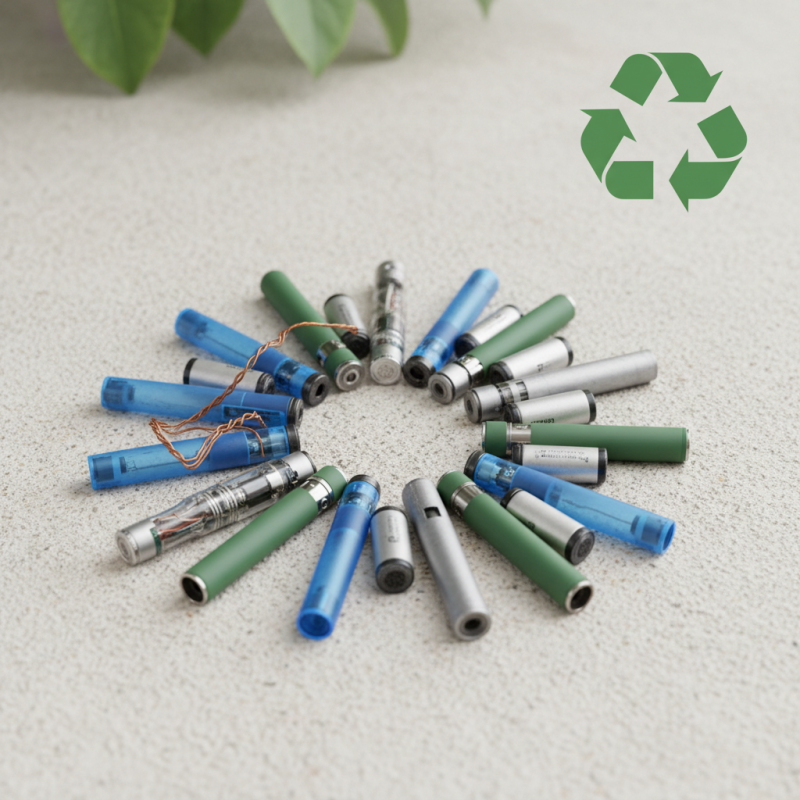
Disposable vapes have become popular, but their disposal often raises environmental concerns. Recycling them can be tricky due to mixed materials. However, there are ways to recycle disposable vapes responsibly and eco-friendly. It's essential to know where to recycle and how to do it properly.
Tips for Recycling: Look for local e-waste recycling programs. Many areas now have specific guidelines for disposing of electronic devices. Some facilities accept vaping devices. Always check if they accept vapes before dropping them off. Consider reaching out to local government for information on recycling events.
While recycling, remember to empty any remaining liquid. This helps prevent leaks and spills during the recycling process. Labeling is important too. If unsure about a part of the vape, ask an expert. Even small changes can lead to better outcomes for the planet.
Disposable vapes have surged in popularity, yet their environmental impact is concerning. In 2026, it's reported that over 2 million disposable vapes are discarded daily. Each device contains harmful substances, including lithium, which can leach into waterways, endangering wildlife and ecosystems. The lightweight materials used in vapes contribute to plastic pollution, as they often do not get recycled properly. Research by the World Health Organization highlights that e-waste is a growing issue, with disposable vapes being a significant contributor.
To mitigate these risks, it's vital to adopt eco-friendly practices. One effective tip is to locate vape recycling programs in your area. Many communities now offer specialized e-waste collection days. Another approach is to educate fellow users about the environmental impact. Spreading awareness can encourage responsible disposal.
Consider investing in reusable devices. Although upfront costs may be higher, they significantly reduce waste over time. A study found that reusing vapes can lower annual plastic waste by up to 70%. Reflecting on our consumption habits is essential. How many disposable vapes have you used this year? Each choice matters for our planet's health in the years to come.
Recycling disposable vapes requires a careful approach. Start by checking if your local area has designated e-waste recycling programs. Many municipalities have specific guidelines for collecting electronic devices. Next, you should safely remove any battery components. Batteries can pose risks if not handled properly. Store these in a secure bag or container until you can take them to a recycling center.
Once the vapes are disassembled, separate the plastic and metal parts. The plastic can sometimes be recycled along with standard plastics, while metals may need special handling. Take a moment to reflect on your consumption habits. Every vape contributes to waste. It’s crucial to consider alternatives that are more eco-friendly. Reducing usage or switching to refillable options can significantly lessen environmental impact over time. A small step today can lead to a positive change tomorrow.
The rise of disposable vapes has sparked concerns over environmental impact. Innovative technologies are emerging to tackle this issue. A recent report from the International Environmental Agency highlighted that over 1.5 billion disposable vapes are discarded each year, contributing to significant waste. The challenge lies in creating effective recycling solutions.
New methods are being developed to recycle vape devices. Some companies are exploring closed-loop systems for lithium-ion batteries used in vapes. These systems could reduce e-waste by up to 50%, according to a 2023 analysis by the Eco-Friendly Technology Association. Another approach involves using specialized machines that can efficiently separate and process components. This can enhance recovery rates but also requires investment in infrastructure.
However, the industry faces hurdles. Many consumers still lack awareness about proper disposal methods. A 2022 survey found that 72% of vape users are unsure of recycling options. This gap indicates a need for better communication about eco-friendly practices. Moreover, some recycling facilities struggle with the unique composition of vapes, which complicates the recycling process. There’s room for improvement and innovation in this evolving field.
| Recycling Method | Description | Environmental Benefits | Technology Used | Effectiveness Rating |
|---|---|---|---|---|
| Mechanical Recycling | A process that mechanically disassembles the vape components for separate recycling. | Reduces landfill waste and allows for the recovery of metals and other materials. | Advanced shredders and separation technologies. | 85% |
| Chemical Recycling | Uses chemical processes to break down vape materials at a molecular level for reuse. | Minimizes resource depletion and promotes circular economy practices. | Catalysts and reaction vessels. | 90% |
| Collection Programs | Established programs for collecting used vapes for responsible disposal. | Encourages proper disposal and reduces littering. | Local waste management partnerships. | 75% |
| Recycling Awareness Campaigns | Initiatives aimed at educating users on proper vape disposal methods. | Increases community involvement and improves recycling rates. | Media, workshops, and social platforms. | 70% |
| Innovative Materials | Developing vapes made from biodegradable or recyclable materials. | Reduces the volume of non-recyclable waste in landfills. | Bioplastics and recyclable blends. | 80% |
Regulatory frameworks play a crucial role in promoting the responsible disposal of vaping products. As concerns about electronic waste grow, governments are stepping up. New guidelines highlight the need for safe and eco-friendly disposal methods. These efforts encourage manufacturers to take responsibility for their products' end-of-life stage. Regulations vary by region, but the intent remains the same: enhance sustainability in vaping.
Tips for Responsible Disposal: Always check local regulations on e-waste. Participating in recycling programs is one way to ensure proper disposal. Many communities offer collection points for electronic devices. You can also contact your local waste management for guidance.
Educating consumers is essential. Many users do not recognize the potential harm of improper disposal. This awareness can lead to more responsible choices. It's necessary to reflect on our habits. Are we treating vaping devices as disposable? Understanding the environmental impact is vital for change. Fostering a culture of responsibility can help minimize waste in our landfills.
: Look for local e-waste recycling programs. Many accept vaping devices. Always check in advance.
Empty any remaining liquid to prevent leaks. This makes the recycling process safer.
Yes, many companies offer mail-in recycling programs for safe disposal. Research local options.
Disposable vapes contribute to e-waste and plastic pollution. Proper recycling minimizes environmental harm.
Share information on local recycling programs and the impact of improper disposal with your community.
They can leach harmful substances into waterways and contribute to plastic pollution, harming ecosystems.
Yes, using reusable vapes can significantly reduce waste, lowering annual plastic waste by up to 70%.
Reach out to your local government for information on upcoming e-waste collection events.
Regulations vary by region, focusing on safe disposal methods and encouraging manufacturer responsibility.
In 2026, over 2 million disposable vapes are thrown away each day, raising significant environmental concerns.
The article "2026 Best Ways to Recycle Disposable Vapes Eco-Friendly" serves as a comprehensive guide on how to recycle disposable vapes in an eco-friendly way. It outlines best practices for responsible recycling, emphasizing the urgency of addressing the environmental impact of disposable vapes as awareness grows in 2026. The piece breaks down the step-by-step process for effective recycling, ensuring that users can make informed decisions regarding their disposable vapes.
Additionally, it highlights innovative technologies that are emerging to enhance eco-friendly vape recycling solutions. The regulatory frameworks currently in place are also discussed, showcasing how they encourage responsible disposal of vaping products. Overall, this guide aims to empower consumers and industry stakeholders to take meaningful action towards reducing the ecological footprint of disposable vapes.

Nano Vape