Understanding the importance of e-liquid storage comes down to one crucial question: What is the shelf life of unopened e-liquid? Experts in the vaping industry, such as Dr. Jane Smith, a noted chemist, emphasize the significance of proper e-liquid management. She states, “Unopened e-liquids can remain stable for years, but environmental factors play a vital role.”
Factors such as temperature and light exposure greatly influence the longevity of e-liquids. While some brands may suggest a shelf life of up to two years, this can vary. Users often overlook these details. An unopened e-liquid bottle, when kept in a cool, dark place, stands a better chance of maintaining its quality. This knowledge is essential for vapers who want reliable performance.
Many consumers may find outdated e-liquids less satisfying. It is important to reflect on personal storage practices. Are you keeping your e-liquids properly? The shelf life of unopened e-liquid not only affects flavor but also overall enjoyment. Taking proactive steps can enhance your vaping experience significantly.
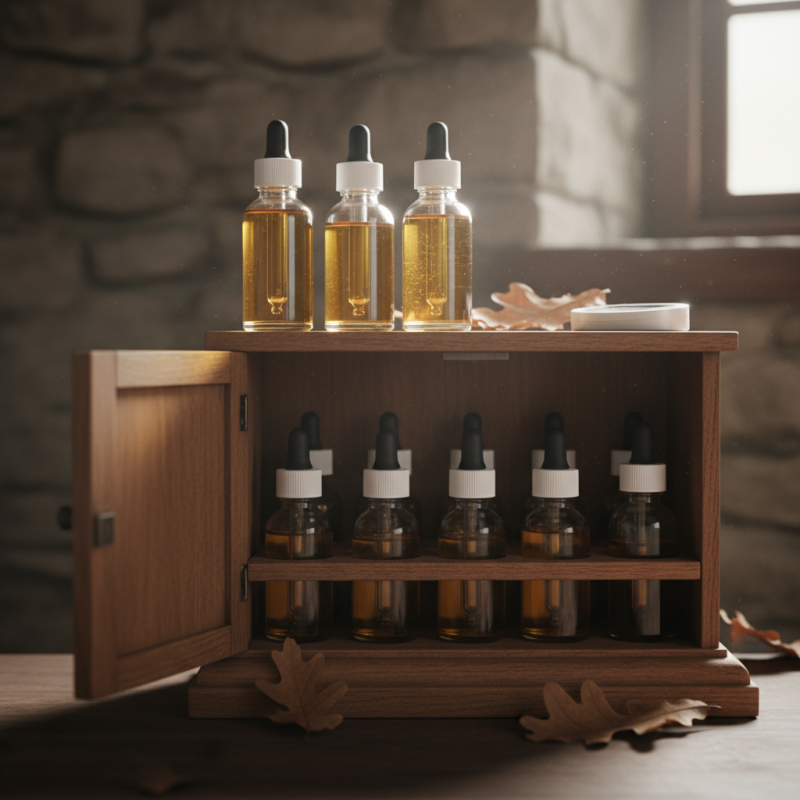
Understanding e-liquid shelf life involves knowing its composition. E-liquids primarily consist of propylene glycol, vegetable glycerin, flavorings, and nicotine. Each ingredient has a lifespan that collectively impacts the product. Research indicates that nicotine can degrade, especially when exposed to light and heat. According to a study by the American Journal of Health Behavior, improperly stored e-liquids lose potency after six months.
The flavorings in e-liquids also play a significant role in their longevity. Many flavoring compounds are volatile. This volatility means they can evaporate or degrade over time. A report from the Journal of Agricultural and Food Chemistry notes that certain flavorings can alter significantly after a year. Users may notice changes in taste, indicating that the product is no longer optimal for use.
Storage conditions greatly influence e-liquid shelf life. Keeping products in a cool, dark place can extend their lifespan. Yet, many users overlook this factor. For instance, storing e-liquids on a sunny windowsill can accelerate degradation. Surveys show that over 40% of consumers are unaware of proper storage practices, which can lead to wasted products and poor vaping experiences.
| Composition | Recommended Shelf Life | Storage Conditions | Signs of Expiry |
|---|---|---|---|
| Vegetable Glycerin (VG) | 2 years | Cool, dark place | Color change, thick consistency |
| Propylene Glycol (PG) | 2-3 years | Cool, dark place | Strange odors, separation |
| Flavorings | 1-2 years | Cool, dark place | Loss of flavor, unusual taste |
| Nicotine | 1-2 years | Cool, dark place | Bitter taste, discoloration |
Unopened e-liquids have variable shelf lives. Understanding their longevity requires knowing several key factors. The main influencing elements include storage conditions, ingredients, and packaging.
The ideal storage temperature for e-liquids is around 60 to 70°F. Extreme heat or cold can degrade the quality. According to industry reports, e-liquids can lose their flavor and potency if exposed to significant temperature fluctuations. Sunlight exposure also plays a critical role. UV rays can break down nicotine and other components, leading to chemical changes. Therefore, a dark storage area is preferred.
Ingredients such as propylene glycol and vegetable glycerin contribute significantly to shelf life. A study by the American Journal of Health found that e-liquids with higher vegetable glycerin content tend to age better. Their thicker consistency helps protect flavors. Additionally, the type of nicotine used can affect stability. While freebase nicotine is common, salt nicotine can offer a longer shelf life due to its chemical stability. These factors highlight the importance of appropriate storage and composition in determining e-liquid longevity.
The shelf life of unopened e-liquid can be influenced by various factors, including VG/PG ratio, flavors, and storage conditions. The following chart illustrates the estimated shelf life of e-liquids based on their VG/PG content.
When considering the shelf life of unopened e-liquids, understanding industry standards for expiration dates is crucial. E-liquids typically have a shelf life of 1 to 2 years. This timeframe often depends on the ingredients used. A study from the National Institute of Health indicates that various components, such as nicotine and flavorings, can degrade over time.
Testing methods play a significant role in determining the safety and quality of e-liquids. Comprehensive analyses involve checking for contaminants, potency, and appropriate ingredient ratios. According to a report from the Journal of Applied Toxicology, frequently tested e-liquids have shown a decline in nicotine concentration after one year. This indicates that users should be aware of their products' ages, as older liquids may not deliver the intended effects.
Professional recommendations suggest storing e-liquids in a cool, dark place to extend shelf life. However, even under ideal conditions, unforeseen variables can impact potency and flavor. Some users have reported unexpected changes in taste after months of storage. These observations remind us that while data can provide guidelines, personal experiences differ, highlighting the subjective nature of e-liquid consumption.
Storage conditions play a crucial role in determining the shelf life of unopened e-liquid. Exposure to heat, light, and air can drastically affect its quality. Ideally, e-liquids should be stored in a cool, dark place. High temperatures can cause the ingredients to break down, resulting in loss of flavor and potency. Direct sunlight can lead to oxidation, altering the color and taste over time.
Humidity is another significant factor. Excess moisture can lead to mold, especially if the bottle is unsealed. A stable environment with low humidity is best. The container itself also matters. Glass bottles tend to protect e-liquids better than plastic ones. They provide a barrier against air and light more effectively. While even unopened e-liquids can degrade over time, proper storage can extend their lifespan considerably.
It’s important to reflect on personal habits, too. Some may forget about their stash or store it improperly. Regular checks on e-liquids can help identify any changes. Noticing color shifts or weird smells may indicate spoilage. Such moments teach lessons on how careful storage is vital for maintaining e-liquid quality.
When assessing the shelf life of unopened e-liquid, be vigilant about signs of degradation. Over time, even sealed e-liquids can undergo changes. These changes often occur due to exposure to light, temperature fluctuations, or the chemical nature of the ingredients.
Look for discoloration. Fresh e-liquid is usually vibrant and clear. If it turns brown or cloudy, its quality may be compromised. Additionally, check for sediment at the bottom of the bottle. This can indicate breakdown of ingredients. Unpleasant odors are also red flags; a strange or off-putting scent can signal that the e-liquid is no longer safe to use.
Tips: Store your e-liquids in a cool, dark place. Extreme temperatures can significantly affect quality. Regularly inspect your stock, even if unopened. Be mindful of your purchase dates. Mark them clearly for easier tracking. Taking these simple steps can help ensure you enjoy a satisfying vaping experience.
: E-liquids mainly consist of propylene glycol, vegetable glycerin, flavorings, and nicotine.
Storing e-liquids in cool, dark places can extend their shelf life. Heat and light can accelerate degradation.
Look for discoloration, sediment, or unpleasant odors. These signs can mean the e-liquid is no longer safe.
Unopened e-liquids typically last 1 to 2 years, depending on their ingredients and storage conditions.
Yes, flavoring compounds are volatile and can alter significantly. Users might notice changes in taste after a year.
Yes, nicotine can degrade when exposed to light and heat, reducing the product's potency over time.
Regularly inspect their e-liquids for changes and mark purchase dates for tracking purposes.
No, degradation rates depend on specific ingredients and how they are stored.
If an e-liquid has an off-putting scent, it's best to avoid using it. Safety is essential.
While studies provide guidelines, personal tastes and experiences can vary, leading to different vaping experiences.
Determining the shelf life of unopened e-liquid is essential for ensuring a quality vaping experience. The shelf life largely depends on the composition of the e-liquid, including its ingredients and flavorings. Key factors influencing this longevity include exposure to heat, light, and air, which can all degrade the liquid over time. Industry standards for expiration dates guide consumers, but storage conditions play a crucial role in maintaining the e-liquid’s integrity. Ideally, e-liquids should be stored in a cool, dark place to maximize their shelf life.
Furthermore, even unopened e-liquids can show signs of degradation, such as changes in color, texture, or smell. It is vital for vapers to recognize these signs to avoid consuming compromised products. Ultimately, understanding what is the shelf life of unopened e-liquid and how to store it properly can enhance vaping safety and satisfaction.

Nano Vape