Small pod systems are built for portability, not room-filling vapor. Their compact batteries, limited airflow, and small coils place a natural ceiling on cloud size. Still, a few careful adjustments can help a pod perform as intended. If you’re searching for “How to get more clouds out of a small pod system,” start with realistic expectations, not risky modifications.
The basics matter. Use a compatible pod and coil, keep the device clean, and check that its airflow is not blocked. Choose only e-liquid recommended by the manufacturer; thicker liquids may not wick properly in every small pod. Let a new coil soak before use, and take steady, moderate draws rather than repeated, rapid puffs. Small devices have limits. I used to assume a tighter draw always meant stronger vapor, but that can restrict airflow and make the experience harsher. It is not a universal rule, either; pod designs differ.
Avoid opening the device, changing its battery, or pushing it beyond its rated settings. Stop using it if it becomes unusually hot, leaks, or tastes burnt, and follow the manufacturer’s care instructions. More vapor is not a sign of safer use, and vaping carries health risks, including nicotine dependence when nicotine is present. The practical goal is a consistent draw, not the biggest cloud possible. Some compromises remain. A small pod simply cannot perform like larger equipment, and that limitation deserves an honest place in any guide.
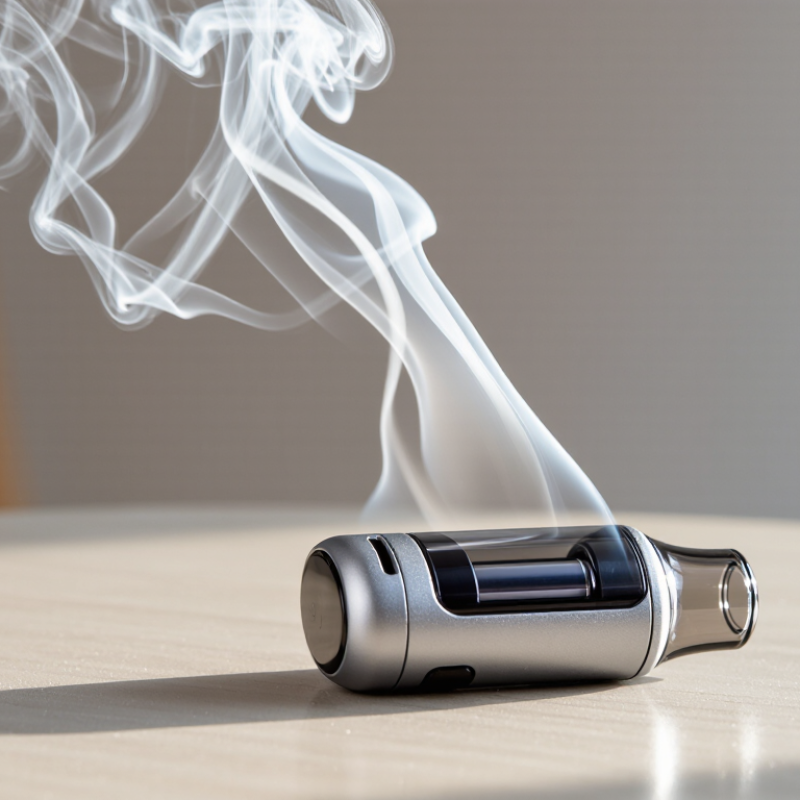
How Pod-System Design Affects Vapor Production
How to Get Bigger Clouds From a Small Pod System?
A pod’s vapor production comes from several design choices working together. The coil’s resistance and surface area affect how quickly it heats the liquid. A larger heating surface may create more vapor, but only when the device supplies suitable power.
Airflow matters, too. A tighter passage can make a draw feel warmer and denser, while a more open path may cool and dilute it. Small details matter. The shape of the air channel and the space inside the pod can change how vapor gathers before inhalation.
Wicking design determines how reliably liquid reaches the coil between draws. If the wick cannot keep up, vapor may thin out or taste scorched; increasing power is not a safe fix. Use only settings approved for the specific pod, and do not modify its battery, coil, or airflow parts.
There is a catch. A small device has limited battery capacity and heat-management space, so chasing bigger clouds can shorten its usable time or make the draw uncomfortably warm. Results also vary with liquid thickness, room temperature, and draw length.
A steady, moderate draw often gives more consistent vapor than repeated, forceful pulls. It may still be less cloud than expected.
Which Device Specifications Influence Cloud Size
Cloud size depends on several specifications working together, not one impressive number. A pod’s power range sets how much heat reaches the coil. Higher power can produce more aerosol, but only within the coil’s rated limits. Push it too far, and the liquid may taste burnt. Not worth it.
Coil resistance matters, yet it should be considered alongside power and coil design. A larger heating surface, including some mesh-style coils, can warm liquid more evenly. Airflow also changes the result: wider channels may let more aerosol pass, while a tight draw can feel denser but produce less overall volume. Small pods still have physical limits.
Liquid thickness matters, too. A very viscous liquid may not wick quickly through a compact coil, especially during repeated draws. Battery capacity does not directly enlarge clouds, but it can help a device maintain its intended output. Check the device’s stated power range and coil compatibility rather than guessing. I’d be cautious about treating cloud size as a reliable measure of performance; comfort and consistent operation matter as well.
How E-Liquid and Airflow Affect Vapor Output
A small pod can produce a little more visible vapor, but airflow and e-liquid need to work together. More open airflow lets air mix with vapor and can make each draw feel cooler. Too much, though, may make the vapor seem thin. Try small adjustments within the device’s designed settings. Small changes matter.
E-liquid thickness also affects output. Liquids with more vegetable glycerin often create denser-looking vapor, but they can wick slowly in compact pods. If the wick cannot stay saturated, performance may become uneven or taste dry. A thinner liquid may feed the wick more easily, depending on the pod’s design. Check the device instructions rather than guessing from cloud size alone.
It is tempting to close the airflow and take longer draws. That can make a pod feel hotter, not better. I’d treat this as a balance, not a contest: use compatible liquid, keep the pod clean, and let the wick saturate after filling. Cloud size is only a rough visual cue; it does not tell you how much nicotine or aerosol a person receives. There is no perfect setting, and small pods have real limits.
How to Get Bigger Clouds From a Small Pod System?
How e-liquid VG content and airflow can affect vapor output
The 1–5 scores are an illustrative comparison, not laboratory measurements. Higher VG blends may produce denser aerosol, but their greater viscosity can challenge a small pod’s wicking. More airflow can increase vapor production when the coil and power support it; very open airflow may instead cool or dilute the aerosol. Results depend on the specific device and liquid.
How to Adjust Settings Within Manufacturer Limits
How to Get Bigger Clouds From a Small Pod System?
How to Adjust Settings Within Manufacturer Limits
A small pod can produce fuller vapor when its settings match its coil and airflow. Check the device manual for the coil’s recommended power range. Begin near the lower end, then increase in small steps only if the device allows it. Stay within the stated limit. A gentle increase may help, but pushing power too far can cause harsh taste, overheating, or faster coil wear. Cloud size also depends on airflow: opening an adjustable vent slightly can make each draw feel less restricted. Changes can be subtle.
Tips: Use a clean pod and clear airflow openings. Let a new coil soak as directed before use. Take steady draws, not rapid repeated puffs. If the pod becomes unusually hot or tastes burnt, stop and check the manual. Don’t modify the battery, coil, or device.
Results vary with the pod design and liquid, so a setting that works for one setup may not suit another. Bigger clouds are not always a sign of better performance. It’s easy to chase a visible difference and overlook comfort; make one adjustment at a time, and return to the previous setting if the vapor feels too warm or irritating.
How to Get Bigger Clouds From a Small Pod System? — How to Adjust Settings Within Manufacturer Limits
| Adjustment |
Practical approach |
What it may change |
Important limit |
| Power setting |
Increase power gradually, using only the range printed on the coil or specified in the device manual. |
More power can increase vapor production when the coil and liquid supply are suitable. |
Do not exceed the coil’s stated wattage range. Stop if the vapor tastes burnt or the pod becomes unusually hot. |
| Airflow |
If the device has adjustable airflow, open it slightly and test one change at a time. |
More airflow can produce a looser draw and may make inhaled vapor feel less concentrated. |
Airflow controls vary by device; keep the inlet clear and follow the device instructions. |
| Coil and pod compatibility |
Use only coils or pods listed as compatible with the device. |
A coil designed for higher output may support more vapor if the device is rated for it. |
Resistance alone does not determine a safe power setting. Follow the coil’s specifications and the device’s limits. |
| Liquid composition |
Choose a liquid viscosity recommended for the specific pod and coil. |
Liquid composition affects wicking and vapor characteristics; thicker liquids may not feed well in every small pod. |
There is no single PG/VG ratio that suits all pod systems. Use the device maker’s guidance. |
| Pod condition |
Keep the pod adequately filled and replace a worn coil or pod according to its instructions. |
Good liquid supply and a serviceable coil help maintain consistent vapor output. |
Do not use a leaking, damaged, or burnt-tasting pod. |
| Puff style |
Use steady, moderate puffs rather than repeated rapid puffs. |
A brief pause between puffs gives liquid more time to reach the coil and can help reduce dry hits. |
Longer or more frequent use can increase nicotine exposure. Do not use a device in a way that causes overheating. |
Settings and compatible liquids differ between devices. The device manual and the coil’s printed range take priority; increasing vapor output is not guaranteed and may increase nicotine intake.
Safety Considerations for Batteries and Nicotine Exposure
Trying to get bigger clouds from a small pod can tempt users to raise the power or take longer draws. That may heat the device, strain its battery, and increase aerosol and nicotine intake. It is tempting to judge performance by cloud size, but that is a poor measure of safety. Keep settings within the device’s instructions, use compatible parts, and stop if the pod gets unusually hot, leaks, or smells burnt. Heat is a warning.
Use the recommended charger and inspect the device regularly. Do not charge it on a bed, leave it charging unattended, or expose it to extreme heat or cold. Keep it dry and away from keys or coins that could contact battery terminals. If the battery is swollen, damaged, or behaving oddly, stop using it and follow local guidance for safe disposal. A small device can still pose a fire risk.
Nicotine liquid can be harmful if swallowed or absorbed through skin. Keep pods and refill containers locked away from children and pets, and clean spills promptly with gloves. If liquid touches skin, wash with soap and water; rinse eyes thoroughly if exposed. Seek urgent medical advice after accidental swallowing or concerning symptoms. Even careful routines can slip, so store supplies out of reach every time.
Conclusion
This article explains how a small pod system’s design shapes vapor production, including the effects of its coil, power range, airflow, and liquid capacity. It also considers how e-liquid composition and airflow settings can change the density and feel of the vapor. For anyone wondering “How to get more clouds out of a small pod system,” the key is to make modest adjustments within the device’s stated operating limits rather than pushing it beyond its intended use.
The article emphasizes that cloud size is only one part of the experience. Following the manufacturer’s instructions, using compatible components, and keeping the device in good condition can help avoid unnecessary strain on the battery. It also highlights the importance of being mindful of nicotine strength and exposure, since producing or inhaling more vapor may increase nicotine intake. The goal is to understand the factors that affect vapor output while keeping safety and responsible use in mind.

 Nano Vape