When using a vape charger, many users wonder, "Why does my vape charger get hot during use?" It's a common concern. Understanding the reasons behind this phenomenon is crucial for safe vaping practices.
Vape chargers can emit heat for various reasons. One main factor is the energy transfer during charging. As electricity flows through the charger, some energy is converted into heat. This can create a warm sensation on the charger body. However, excessive heat might indicate a potential issue with the charger or the battery.
Regular monitoring of charger temperature is important. If it feels too hot to touch, it might be time to reassess. Users should consider the type of charger they're using and the condition of their vape batteries. A charger that consistently overheats may not be reliable. Understanding these aspects can lead to safer and more effective vaping experiences.
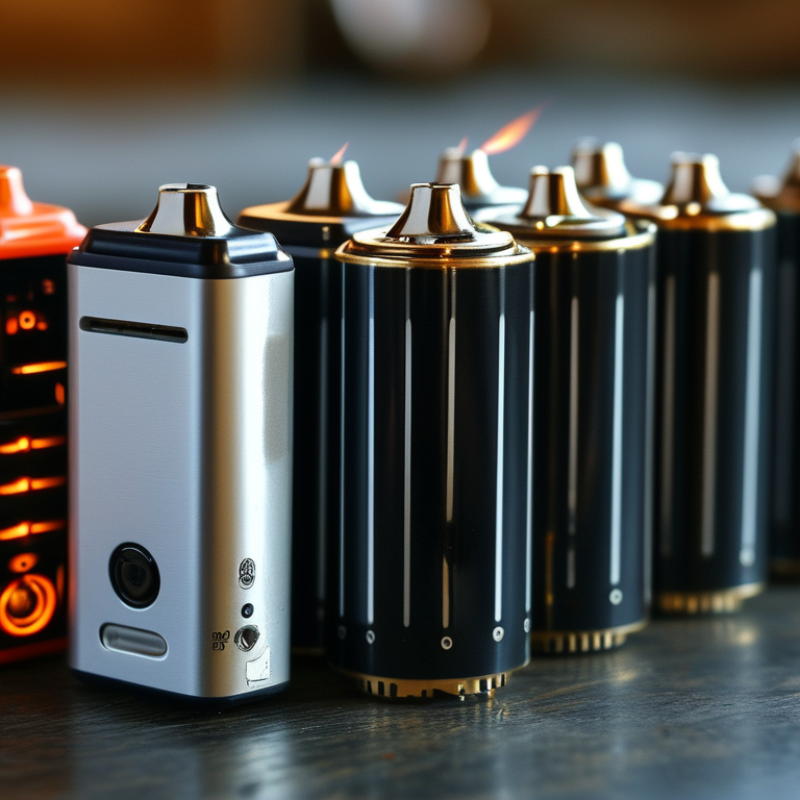
When you charge your vape, it's normal for the charger to heat up. This heat is usually a result of electrical resistance. When current flows, it generates heat due to the interaction of the electrical components. Most chargers are designed to handle some heat, but not excessive amounts.
However, not all heat is good. If the charger becomes too hot, it might indicate an underlying issue. Perhaps the cable is damaged or the contact points are corroded. Over time, wear and tear on the charger can lead to inefficiencies. Observing these signs is crucial.
It's also essential to monitor the charging environment. Charging on a soft surface, like a bed, can trap heat. Instead, use a hard surface for better airflow. Frequent checks can ensure your equipment remains safe. Inconsistencies in charging times can also be a red flag. If the charger consistently overheats, seeking professional advice is wise.
| Factor | Description | Temperature Range (°C) |
|---|---|---|
| Charging Current | Higher current leads to increased heat generation. | 40 - 70 |
| Battery Condition | Older batteries may cause the charger to work harder, creating more heat. | 30 - 65 |
| Charger Design | Poor ventilation in the charger can trap heat. | 35 - 60 |
| Ambient Temperature | High ambient temperatures can affect charger performance and heat levels. | 20 - 55 |
| Charging Time | Extended charging durations can lead to increased heat. | 40 - 75 |
Vape chargers often feel warm during operation. This phenomenon relates to the chemistry of lithium-ion batteries. When these batteries charge, a chemical reaction occurs and energy transforms into heat. Studies show that up to 20-30% of energy can be lost as heat during charging.
Lithium-ion batteries contain electrolytes that move ions between the anode and cathode. Resistance in these materials contributes to heat generation. As the charging frequency increases, the heat can rise, which might lead to battery degradation. Regularly charging at high current can exacerbate this.
Tips: Ensure your charging environment is cool and well-ventilated. This helps dissipate heat effectively.
Heat isn't always a sign of failure, but excessive warmth can indicate issues. Monitoring temperature during charging can be wise. If temperatures exceed 80°F (27°C), discontinue use and assess the charger.
Tips: Choose charging cables rated for your charger’s capacity. This can help manage heat production effectively.
Charger compatibility plays a crucial role in heat generation during the charging process. Many users overlook this aspect while selecting a charger. According to a report by the International Energy Agency, incompatible chargers can cause significant efficiency loss, leading to increased heat production. This overheating not only affects the charger but also the device being charged.
When a charger is not designed for a specific battery type, heat generation can rise by up to 30%. This is often due to voltage mismatches or current output that doesn't align with the device's requirements. Studies indicate that using a charger with a higher voltage can create excessive electrical resistance in the circuit, resulting in heat. A charger may seem to work, but inefficiencies build over time.
Some chargers are better suited for certain devices. For instance, chargers with built-in smart technology adjust their output according to the device's needs. However, these don't guarantee against overheating. Monitoring the temperature can give insights into efficiency. Users should regularly check their chargers and devices for signs of excessive heat to prevent potential damage.
One major reason your vape charger may get hot during use is related to the amp ratings. If a charger has a high amp rating, it delivers more current to the device. This can lead to increased heat generation. Devices that demand high energy may further strain the charger, resulting in overheating. It's important to choose a charger that matches your device's specifications.
Voltage levels also play a critical role in overheating. A charger with too high voltage can push the device beyond its safe limits. This can lead to excessive heat production and potential damage. It's essential to ensure that your charger’s voltage matches your vape device's requirements. Poor-quality chargers often lack the necessary safety features, increasing the risk of overheating.
Users often overlook these factors. Many do not consider the charger’s specifications when making a purchase. This can lead to problems later on. Understanding amp ratings and voltage levels is crucial for keeping your vape equipment safe and functional. Regularly check your charger for any signs of wear and tear. You want to avoid further complications from overheating in the future.
Vape chargers can get hot during use, raising questions about their thermal management. Effective thermal management in charger design is crucial for safety and performance. According to a study by the International Journal of Energy Research, proper heat dissipation can enhance charging efficiency by up to 20%. This means that efficient design not only improves user experience but also prolongs battery life.
One common technique involves the use of heat sinks. These components help absorb and disperse excess heat generated during the charging process. Recent industry reports indicate that chargers with advanced heat sink technology can operate at temperatures 10-15% lower than conventional models. However, the focus on heat management can sometimes lead to trade-offs in size and weight, which may not always appeal to every user.
Another aspect is the insulation materials used in the charger design. High-quality materials can withstand higher temperatures, but higher quality often means increased production costs. Many manufacturers face a dilemma between cost and reliability. Balancing these factors can be challenging, creating an opportunity for improvement in future designs. Users should also be aware of their charging environment. Charging on a soft surface can obstruct airflow and increase heat buildup, posing risks not only to the charger but also to the battery.
: Vape chargers become warm due to chemical reactions in lithium-ion batteries. Energy transforms into heat during charging.
Yes, some heat is expected. However, excessive warmth can indicate a problem. Monitor the temperature carefully.
If temperatures exceed 80°F (27°C), stop using the charger. Check for any issues immediately.
Ensure a cool and well-ventilated charging environment. This helps dissipate heat effectively during the process.
Heat sinks absorb and disperse excess heat. They improve efficiency and keep charger temperatures lower, enhancing performance.
Yes, effective thermal management in design can enhance charging efficiency. It may improve battery life and user experience.
Yes, better heat management may lead to larger, heavier chargers. Users might find this less appealing despite the benefits.
Yes, charging on soft surfaces can block airflow. This may increase heat buildup, risking damage to both charger and battery.
Using suitable cables can help manage heat. Ensure they match the charger's capacity for safe and efficient charging.
Not necessarily. Some heat is normal, but persistent excessive heat indicates potential issues. Regular checks are beneficial.
In addressing the question, "Why does my vape charger get hot during use," it's important to understand the underlying chemistry of lithium-ion batteries commonly used in vape chargers. These batteries undergo chemical reactions that release heat, especially during charging cycles. Additionally, the compatibility of the charger with the specific device can significantly impact heat generation.
Several factors contribute to overheating, including the amp ratings and voltage levels of the charger. Higher amp ratings can lead to increased heat output, while mismatched voltage levels may also exacerbate the issue. Proper thermal management techniques in charger design, such as ventilation and heat dissipation materials, play a crucial role in mitigating this heat generation, ensuring safer and more efficient charging processes. Understanding these aspects can help users optimize their charging setups and address overheating concerns effectively.

Nano Vape