In the rapidly changing consumer electronics and vape hardware sectors, locating highly competent
Today's industry relies on a consolidated, highly optimized production landscape. In this space, Chinese hubs—particularly Shenzhen—produce more than 90% of the world's vaping hardware. The transition from basic open systems to high-performance pods and sophisticated closed-loop disposable devices has pushed manufacturers to integrate medical-grade automation lines, cleanroom facilities, and advanced chip-controlled batteries. For wholesale buyers, distributors, and brands seeking reliable market entry, identifying partners that deliver documented Information Gain through technological superiority is the foundation of growth.
Top-tier brands no longer compete solely on design. The battleground has shifted to molecular science (e-liquid compatibility), aerosol mechanics, and micro-ceramic heating structures. These technical areas separate basic factories from premium global manufacturers.
Shenzhen Nano Vape Co., Ltd. is a professional manufacturer specializing in the research, development, production, sales, and service of electronic cigarettes. Backed by years of experience in the vaping industry, the company has established itself as a reliable partner through continuous innovation and strict quality control.
The company owns multiple patents in atomization technology and operates under internationally recognized quality management systems, including ISO9001, ISO14001, and ISO13485, ensuring efficient, standardized, and environmentally responsible production processes.
All products have passed safety certifications from third-party testing agencies in the United States and Europe, and have obtained certifications such as CE, RoHS, and FDA. The products are exported to over 50 countries, including Japan, the United States, the UK, France, and Indonesia.

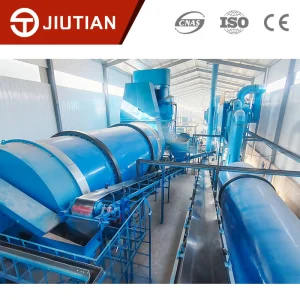
Figure 1: Nano Vape's ISO-certified production floor with cleanroom manufacturing environments.
When international buyers evaluate vaping hardware suppliers, they look closely at China's manufacturing ecosystem. The concentration of component suppliers, testing laboratories, and engineering talent in the Shenzhen region creates a competitive edge that is difficult to duplicate elsewhere.
The proximity of battery manufacturers, coil suppliers, injection molding plants, and flavor specialists reduces development times. An OEM design can go from prototype to functional sample in days, compared to weeks in less integrated markets.
With many manufacturers certified under ISO 13485 (Medical Devices Quality Management), facilities utilize class 100,000 dust-free cleanrooms. This minimizes particulate contamination in cartridges and prefilled systems.
High-volume factories use automated filling, sealing, and testing lines. Automation helps stabilize coil resistance, prevent leakage, and maintain consistent battery performance, which keeps defective rates low across high production runs.
A breakdown of the product lines designed to meet the evolving demands of global consumers.
We design and develop high-performance disposable vape devices and also collaborate with clients to turn their product ideas into reality through OEM/ODM services.
Capacity: Up to 15mlOur pod systems combine ergonomic design with advanced technology. Backed by over 10 years of industry experience, we ensure stability, safety, and consistent performance.
Refillable & Closed PodsNano Vape prefilled pods feature advanced mesh coil technology, optimized capacity (up to 6ml), leak-proof design, and rich flavor delivery, providing a smooth and satisfying vaping experience.
Mesh Coil TechnologyWe provide high-performance batteries that undergo strict quality control. Each product is tested in our in-house laboratory before being released to the market.
Grade A Cobalt CellTo maintain regulatory compliance and consumer safety, products undergo strict physical, environmental, and mechanical evaluation.
Verifying purity and compliance of materials, including food-grade PCTG for pods and medical-grade steel housing, to ensure safety and prevent chemical leaching.
Subjecting hardware to automated draw simulators, ensuring heating elements sustain flavor profile stability throughout the target puff count.
Rigorous checks of critical components like lithium batteries and micro-sensors before they reach assembly lines.
Testing functionality under extreme conditions, including high humidity, thermal shock, and negative pressure levels that simulate high-altitude shipping.
Testing draw resistance, spit-back frequency, and condensation levels to ensure consistent airflow and performance.
Testing packaged goods on shake tables and impact devices to verify mechanical integrity and prevent leakage during international transit.
For enterprise purchasing managers, compliance is a primary factor in choosing a manufacturing partner. Entering highly regulated markets requires deep familiarity with local frameworks:
Distribution in the United States requires filing for a Premarket Tobacco Product Application (PMTA). Manufacturers must supply full toxicological reports, battery safety documentation, and manufacturing process details to ensure long-term product availability.
The Tobacco Products Directive (TPD) limits e-liquid pod capacities to 2.0ml and nicotine concentrations to 20mg/ml. Importers must work with factories capable of implementing precise fill limits and child-resistant closures.
Markets in South America, Southeast Asia, and the Middle East are establishing unique national standards. Top factories maintain adaptable testing programs to quickly meet new labeling, packaging, and laboratory verification needs.
Environmental concerns are driving demand for recyclable vape designs. Lead manufacturers are developing modular assemblies that simplify battery recovery and testing biodegradable outer casings to reduce environmental impact.
Vaporization technologies are expanding beyond nicotine to botanical extraction, CBD/THC formulations, and wellness inhalants. Hardware must feature customizable voltages and temperature controls to match different viscosity levels.
Next-generation systems include digital companion apps, Bluetooth telemetry, child-lock features, and puff trackers to help users monitor usage patterns.
Key questions and answers regarding lead times, customization limits, and certification requirements.
Typical MOQs for customized packaging or logo placement begin at 1,000 units per color or flavor. For custom mold designs or unique circuit board configurations, MOQs generally start at 5,000 to 10,000 units to offset setup and tooling costs.
ISO 13485 sets quality management standards specifically for medical devices. In vape manufacturing, it ensures strict environmental control (minimizing dust and microbial presence), traceability of all raw materials, and automated verification of safety switches and electrical components.
Standard reorders are typically produced and packaged within 15 to 21 days. New OEM/ODM projects requiring mold creation, engineering validation, and custom packaging design generally require 35 to 50 days from initial approval to shipment.
Leak prevention involves multiple engineering layers, including multi-tier silicone seals, dedicated condensation chambers, and mesh coil designs that absorb e-liquid evenly. Factories also perform negative-pressure tests on assembly lines to check seal integrity before shipping.
 Nano Vape